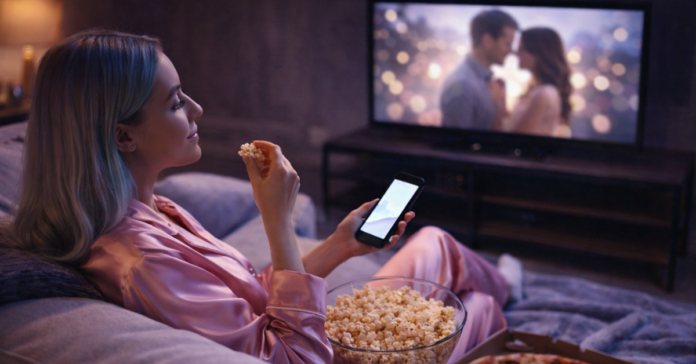
If your evenings feel like a constant battle with cravings, you’re not weak—and you’re definitely not broken.
That sudden pull toward sugar, snacks, or “just one bite” at night isn’t a lack of willpower. It’s often the result of how your body was fueled (and stressed) earlier in the day.
Many women blame themselves for evening overeating, promising to “do better tomorrow,” only to repeat the same cycle. But cravings aren’t a personal failure. They’re information—signals from your body asking for balance, safety, and enough fuel.
In this article, you’ll learn:
- Why evening cravings happen
- How morning, lunch, and snack choices affect nighttime hunger
- What to eat during the day to naturally calm cravings
- How to tell the difference between hunger and emotional cravings
- Why restriction often backfires
No extreme rules. No demonizing food. Just clear, supportive guidance that works with your body—not against it.
Why Evening Cravings Happen (It’s Not About Discipline)
Evening cravings are rarely random. They’re usually the result of blood sugar imbalance, stress hormones, and unmet energy needs throughout the day.
Here’s what’s often happening behind the scenes:
- Blood sugar crashes after low-protein or skipped meals
- Low overall calorie intake, especially earlier in the day
- High cortisol (stress hormone) from work, mental load, or under-eating
- Poor sleep quality, which increases hunger hormones
- Restriction mindset, creating urgency around food
When your body senses scarcity or stress, it doesn’t relax—it resists. Cravings become louder, not because you’re weak, but because your body is trying to protect you.
Breakfast: Start With Protein (This Matters More Than You Think)
Skipping protein at breakfast is one of the most common reasons cravings hit hard later.
When your first meal is mostly carbs—or skipped entirely—your blood sugar spikes and crashes quickly. By evening, your body is already in “energy-saving mode,” making cravings almost inevitable.
Why protein in the morning helps:
- Stabilizes blood sugar
- Reduces evening hunger spikes
- Supports leptin (your fullness hormone)
- Keeps energy steady throughout the day
Practical breakfast ideas:
- Eggs + whole-grain toast
- Greek yogurt + berries + seeds
- Cottage cheese + fruit
- Protein smoothie (milk or yogurt + fruit)
You don’t need a perfect breakfast. You need enough protein to tell your body it’s safe.
Lunch: The Underrated Craving Trigger
Lunch is often rushed, skipped, or treated as an afterthought—especially for busy women. But a light or unbalanced lunch sets the stage for evening overeating.
If lunch lacks protein, fiber, or enough calories, your body compensates later.
A balanced lunch includes:
- Protein (chicken, fish, eggs, tofu, beans)
- Carbohydrates (rice, potatoes, bread, pasta)
- Fiber-rich foods (vegetables, legumes)
- Some fat for satiety
Eating enough at lunch doesn’t cause weight gain—it prevents nighttime rebound eating.
Afternoon Snack: Your Craving Killer
Waiting until you’re starving is one of the fastest ways to lose control in the evening.
A well-timed afternoon snack (around 3–5 PM) can prevent blood sugar crashes and emotional overeating later.
Balanced snack ideas:
- Apple + handful of nuts
- Yogurt + berries
- Cheese + crackers
- Banana + peanut butter
This isn’t “extra eating.”
It’s preventive care for your appetite.
Dinner: Balance, Not Restriction
One of the biggest myths is that cutting carbs at dinner leads to fat loss. For many women, it does the opposite.
When dinner is too restrictive, your body doesn’t relax—it stays alert. Hunger hormones remain high, and cravings intensify after the meal.
What balanced dinners do:
- Calm the nervous system
- Reduce late-night snacking
- Help hunger hormones settle
Balanced dinner examples:
- Chicken or fish + potatoes + vegetables
- Rice + beans + salad
- Pasta + vegetables + protein
- Eggs + vegetables + bread
Food is not the enemy.
Restriction is what creates the struggle.
Hunger vs. Cravings: Learn the Difference
Confusing hunger with cravings leads to frustration. Understanding the difference brings calm.
What hunger feels like:
- Builds slowly
- Feels physical (stomach, low energy)
- Any food sounds good
What helps: regular, balanced meals
What cravings feel like:
- Appear suddenly
- Feel emotional or urgent
- Only one specific food will do
What helps: pause, rest, stress relief—sometimes food, without guilt
Cravings aren’t bad behavior. They’re communication.
Common Mistakes That Make Evening Cravings Worse
- Skipping meals to “save calories”
- Avoiding carbs all day
- Relying on coffee instead of food
- Waiting until exhaustion to eat
- Treating food as a reward or punishment
These habits increase stress, not control.
✅ Pro Tips That Actually Help
- Eat enough earlier in the day
- Include protein at every meal
- Add a planned afternoon snack
- Reduce stress before blaming food
- Focus on consistency, not perfection
Small daily habits beat extreme fixes.
⚠️ When This Approach Is NOT Recommended
If you have:
- A history of eating disorders
- Medical conditions requiring specific diets
- Blood sugar disorders requiring clinical guidance
Always consult a healthcare professional. This article is educational—not a replacement for medical advice.
People Also Ask (PAA)
Why do I crave sugar at night?
Evening sugar cravings often come from blood sugar crashes, low protein intake, stress, or lack of sleep—not a lack of willpower.
Is it bad to eat carbs at night?
No. Balanced carbs at dinner can actually reduce cravings and improve sleep for many women.
Does skipping meals cause cravings?
Yes. Skipping meals increases hunger hormones and leads to rebound eating later.
How can I stop evening snacking?
Eat balanced meals earlier, include protein and carbs, and add an afternoon snack to stabilize appetite.
Are cravings emotional or physical?
They can be both. Hunger feels physical and gradual; cravings feel emotional and urgent.
Conclusion: Cravings Aren’t the Enemy
Cravings don’t mean you failed.
They mean your body is asking for something.
When you fuel yourself consistently, reduce stress, and stop treating food like a threat, cravings naturally quiet down.
You don’t need punishment.
You don’t need more discipline.
You need balance, safety, and consistency.
This isn’t about controlling your body.
It’s about learning to listen to it.
👉 Share this article.
(And if you want structure—not restriction—the free 7-Day FFB Challenge can help.)