Introduction
If you’ve been working out consistently but still not seeing results, you’re not alone.
One of the biggest misconceptions in fitness is that more exercise alone equals more weight loss.
The truth?
👉 Nutrition drives the majority of your results.
Exercise supports the process—but food choices determine direction.
Here’s why up to 80% of weight loss success comes from nutrition, and how to use that knowledge without extreme dieting.
1. Calorie Balance Is the Foundation
Weight loss happens only when you consistently consume fewer calories than your body uses.
- A 30-minute workout may burn 200–300 calories
- One sugary snack can easily replace that
📊 National Institutes of Health confirms calorie intake has a stronger impact on weight loss than physical activity alone.
Takeaway: You can’t out-exercise poor eating habits.
2. Food Directly Impacts Hormones
What you eat affects hunger, cravings, and fat storage.
Problem foods:
- Refined sugar
- Ultra-processed snacks
- Liquid calories
These increase:
- Insulin spikes
- Hunger hormones (ghrelin)
- Belly fat retention
📌 Harvard Health Publishing shows balanced meals stabilize blood sugar and reduce overeating.
3. Exercise Helps—but It Can’t Compensate
To burn one high-calorie meal through cardio alone, you’d need:
- ~60 minutes of intense training
- every single day
That’s unsustainable.
Nutrition works 24/7.
Exercise works only while you’re doing it.
4. Protein Changes Everything
Protein:
- Increases satiety
- Preserves lean muscle
- Boosts metabolism through digestion
📊 American Journal of Clinical Nutrition confirms higher-protein diets improve fat loss while preserving muscle.
Most women under-consume protein—and over-consume carbs and fats.
5. Whole Foods Increase Metabolic Efficiency
Whole foods require more energy to digest.
Examples:
- Lean protein
- Vegetables
- Fiber-rich carbs
📌 Ultra-processed foods digest quickly and promote fat storage.
6. Nutrition Impacts Mental Consistency
Blood sugar swings cause:
- Energy crashes
- Cravings
- Mood dips
Balanced meals improve:
- Focus
- Discipline
- Motivation to move
📊 Journal of Nutritional Psychology links stable eating patterns to improved mood and adherence.
7. The Gym Becomes Effective Only With Nutrition
Exercise:
✅ Shapes the body
✅ Builds strength
✅ Improves metabolism
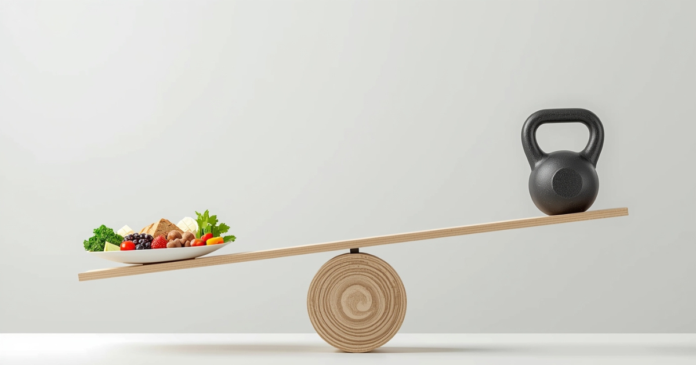
But nutrition determines fat loss.
Think of it this way:
- Nutrition = direction
- Exercise = acceleration
Both are needed—but nutrition leads.
How to Apply This Without Diet Extremes
✅ Eat protein at every meal
✅ Focus on whole foods
✅ Reduce liquid calories
✅ Drink 2–3 liters of water daily
✅ Move daily—but don’t punish yourself
Small adjustments compound faster than radical plans.
People Also Ask (PAA)
❓ Can I lose weight without exercising?
👉 Yes, through nutrition—but exercise improves tone, health, and sustainability.
❓ What’s the best diet for weight loss?
👉 One you can maintain. High-protein, whole-food approaches work best.
❓ How much protein do women need?
👉 ~1.2–1.6g per kg of body weight for fat-loss support.
❓ Why do I work out but don’t lose weight?
👉 Nutrition intake often offsets exercise output.
Conclusion
Exercise builds a strong body.
Nutrition reveals it.
Once your food choices align with your goals, progress becomes predictable — not frustrating.
Call to Action (CTA)
👉 Inside the free 21-Day FFB Challenge, we show you how to balance nutrition without extremes.
📢 Share this article with someone stuck in the gym-only mindset.
Sources
- National Institutes of Health (NIH)
- Harvard Health Publishing
- American Journal of Clinical Nutrition
- Journal of Nutritional Psychology